

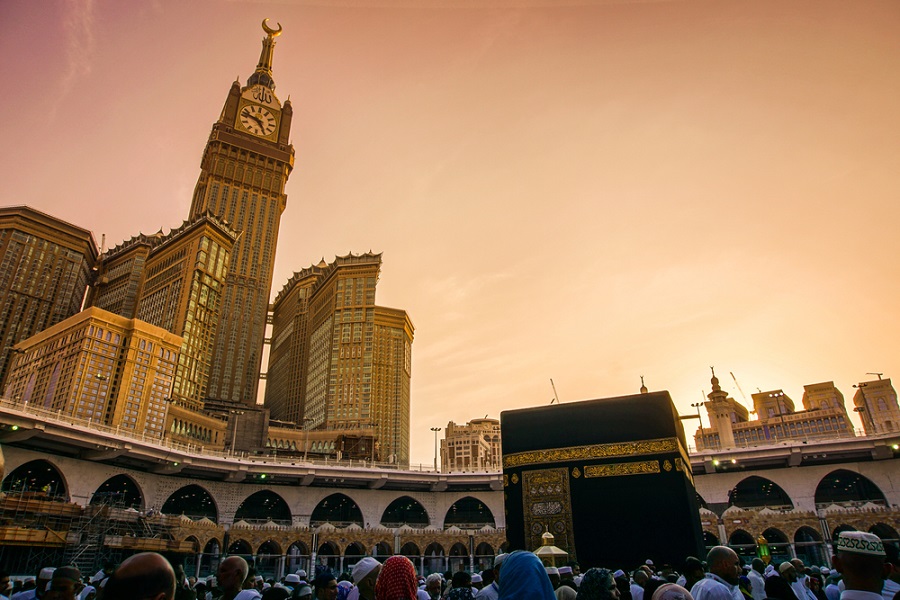
Many people planning Umrah ask the same question: when is the best time for Umrah?
This is a good question, because the time you choose can change how your Umrah feels.
The best time for Umrah is not the same for everyone. It depends on things like:
- How busy the Haram is
- How hot or cool the weather is
- School holidays and work leave
- Hotel prices
- How strong and energetic you feel
As a very rough planning range, many UK/US pilgrims budget around £2,500-£3,000 / $3,000-$4,000 for a typical Umrah trip, and the biggest seasonal swing is usually hotel nights near the Haram, not the rituals themselves.
Some pilgrims look for Easter Umrah packages because it matches school holidays. Others prefer December Umrah packages because the weather is cooler. Many people dream of Ramadan Umrah packages because of the spiritual reward.
All of these choices are valid. But each one comes with different crowds, costs, and physical effort. If you choose the wrong time for your situation, Umrah can feel rushed, tiring, or stressful. If you choose the right time, Umrah can feel calm, meaningful, and easier to manage.
This guide is written for UK pilgrims and also considers US travel patterns. If you are travelling from Heathrow (LHR) or Manchester (MAN), your dates often end up tied to school breaks and limited leave. If you are coordinating with family flying from the US (common hubs include JFK, IAD, and LAX), expect crowd spikes when UK and US holidays overlap. It explains how school holidays, weather, and crowds change through the year, so you can decide when to go umrah with confidence.
Zamzam does not book flights or visas. Zamzam helps with hotels and ground transport in Saudi Arabia. This guide is educational and helps you plan your Umrah wisely before you book.
How Crowds, Weather, and Cost Change Throughout the Year
Umrah is open all year, but the experience is not the same every month.
Three things change the most:
- Crowds
- Weather
- Cost
Crowds increase when many people travel at the same time. This usually happens during:
- UK school holidays
- US holiday seasons
- Ramadan
Weather also matters. Saudi Arabia can be very hot in summer and much cooler in winter. Heat affects how much walking you can manage, especially for children and elderly parents.
Costs change mainly due to hotel demand, especially near the Haram. When more people want to travel, hotel prices go up. This is why Umrah in busy months often costs more than Umrah in quieter months.
- A young couple may enjoy a busy time.
- A family with elderly parents may prefer quieter months.
- A first-time pilgrim may want cooler weather and fewer crowds.
Understanding how these three things work together helps you choose the best time for Umrah based on your needs, not just popular dates.
UK School Holidays 2026 and Their Impact on Umrah
Quick note for 2026: UK term dates vary by local authority, so treat holiday weeks as a planning guide and confirm your council’s exact dates before you lock travel. UK school holidays have a big effect on Umrah crowds and prices.
Half-Term Holidays
- February, May, and October half-terms are popular with families.
- Crowds increase, but they are usually manageable.
- Hotel prices rise slightly, especially near the Haram.
These breaks suit families who cannot travel outside school time but still want a balanced experience.
Easter Holidays
- Easter Umrah packages are very popular.
- Crowds are high because UK and US holidays often overlap.
- Weather is usually pleasant, not too hot.
This period is good for families, but hotels book quickly and prices are higher.
Summer Holidays
- July and August have fewer pilgrims, but the weather is very hot.
- This time suits people who can handle heat and want lower hotel prices.
It is usually not ideal for elderly pilgrims or young children.
December Holidays
December Umrah packages are popular because:
- The weather is cooler
- Schools are closed
- Many people can take time off work
Crowds increase, especially near the end of the month, and hotel prices are higher. Knowing how UK school holidays affect crowds helps you choose dates that match your family’s needs, energy level, and budget.
Planning around Easter or December? This is when hotel proximity matters most. If you book hotels through Zamzam, you can compare verified walking distances and accessibility near the Haram, which saves energy when crowds are heavy.
US Travel Patterns and How They Affect Umrah Crowds
Even if you are travelling from the UK, it is helpful to understand US travel patterns. This is because many pilgrims from the US travel at the same time, which increases crowds in Makkah and Madinah.
The busiest US travel periods for Umrah are:
- Spring Break (March to April)
- Thanksgiving (late November)
- Winter holidays (December)
During these times, you will often see:
- More crowds inside the Haram
- Longer waiting times for tawaf and sa‘i
- Higher hotel prices, especially close to the Haram
This is why Umrah in March, April, and December can feel much busier than expected, even if UK schools are open.
For example, someone searching for Umrah in December may enjoy the cool weather, but should also expect heavier crowds because UK and US holidays overlap.
If you prefer a calmer experience, try to avoid weeks when both UK and US holidays happen at the same time. Choosing dates just before or after these periods often makes Umrah feel more peaceful.
Month-by-month: weather, crowds, and hotel pricing (2026 guide)
Temperatures are typical averages. Crowds and hotel pricing rise sharply during school breaks and Ramadan.
| Month | Typical weather (Makkah / Madinah) | Crowd level | Hotel pricing pressure |
|---|---|---|---|
| Jan | Mild days, cooler nights | Low–Moderate | Low–Medium |
| Feb | Mild, comfortable walking | Low–Moderate (Half-term lifts demand) | Medium |
| Mar | Warmer, still manageable | Moderate–High (Spring Break overlap) | Medium–High |
| Apr | Warm days, busy weeks | High (Easter overlap common) | High |
| May | Hotter, increasing fatigue risk | Moderate (May half-term spikes) | Medium–High |
| Jun | Hot (daytime walking feels harder) | Moderate | Medium |
| Jul | Very hot, heat management becomes central | Low–Moderate | Low–Medium |
| Aug | Very hot, similar to July | Low–Moderate | Low–Medium |
| Sep | Still warm, improving late month | Moderate | Medium |
| Oct | Pleasant again, great for walking | Moderate–High (Oct half-term) | Medium–High |
| Nov | Comfortable, calmer rhythm | Moderate | Medium |
| Dec | Coolest period, strongest demand | High–Very High (winter holidays) | High–Very High |
Ramadan Umrah Packages: Special Rewards and Special Challenges
Ramadan in 2026 is expected to fall in late February and March (exact dates can shift slightly with moon sighting). Because of this, demand tends to concentrate heavily in the final 10 nights for both crowds and hotel pricing.
Many Muslims dream of performing Umrah in Ramadan. The reward for worship is greater, the Haram feels alive day and night, and the atmosphere is deeply spiritual. Praying in Makkah or Madinah while fasting is something many people hope to experience at least once in their lives.
At the same time, Ramadan Umrah brings real challenges that are important to understand before booking Ramadan Umrah packages.
Crowds are much larger than usual. The last 10 nights are typically the most intense for crowd levels and hotel pricing, so if you want a Ramadan atmosphere with fewer pinch points, consider earlier Ramadan dates or traveling just before Ramadan begins.Tawaf areas are very busy, and prayer spaces fill up quickly. Moving around can take more time and patience.
Fasting adds another layer of difficulty. Performing Umrah while fasting means walking long distances, standing for long prayers, and managing energy carefully. This can be physically demanding, especially for first-time pilgrims, elderly parents, or children.
Hotel prices are also higher in Ramadan. Hotels close to the Haram become more expensive, but they are often worth it. Walking long distances while fasting, especially in warm weather, can be exhausting. Staying closer helps reduce strain and makes the experience calmer.
Ramadan Umrah is usually best for:
- Experienced pilgrims
- Physically strong people
- Those who understand how to handle large crowds
If you want the spiritual reward of Ramadan but fewer crowds, consider travelling just before Ramadan begins or in the days after Eid. These times still feel special but are often less intense.
Ramadan Umrah is beautiful and rewarding, but it requires patience, good planning, and realistic expectations.
Shoulder Seasons: The Smart Way to Save Money on Umrah
Shoulder seasons are the months that sit between very busy and very quiet travel times. For many pilgrims, these periods offer the best balance of cost, comfort, and calm. They are often the smartest choice for people planning Umrah for the first time.
Main shoulder seasons for Umrah:
- September to November
- January to February
During these months, many parts of the journey become easier.
What makes shoulder seasons a good choice:
- Flights are often cheaper because fewer people are travelling
- Hotels near the Haram are easier to find and compare
- Prices are more stable and less inflated
- Crowds are smaller and calmer inside the Haram
Because there are fewer people, daily routines feel more manageable. Tawaf usually involves less waiting, moving between prayers is easier, and worship feels more peaceful.
Why experienced pilgrims recommend the shoulder season:
- Less physical strain from crowds
- More time to rest between prayers
- Easier to learn rituals without pressure
- A calmer environment for reflection
Travelling in months like October or early February often gives:
- More comfortable weather
- Shorter queues for tawaf and entry points
- Quieter prayer spaces
You may not see large advertised offers like Easter Umrah packages or December Umrah packages during the shoulder season. However, the overall value is often better when you look at the full cost of the trip.
Why the value is better:
- Lower hotel prices near the Haram
- Less need for taxis due to easier walking
- Fewer last-minute expenses caused by crowd pressure
If your travel dates are flexible, shoulder season helps you spend less time managing stress and more time focusing on worship.
How to Avoid Peak Crowds During Umrah
Crowds are a normal part of Umrah, but sometimes they are much busier than others. Knowing when crowds are largest helps you plan your trip in a calmer way and avoid unnecessary stress.
Peak crowd times usually include:
- UK and US school holidays
- Ramadan
- December holidays
- Fridays and weekends
During these periods, the Haram becomes very busy, especially during prayer times and tawaf. Walking takes longer, waiting times increase, and fatigue builds more quickly.
To avoid the busiest times:
- Travel outside the UK and US school holidays if possible
- Perform tawaf late at night or very early in the morning
- Choose hotels closer to the Haram to reduce long walks
- Avoid dates when UK and US holidays overlap
As a simple rule, many families aim for a hotel within roughly 0.3-0.6 miles (500–1,000 meters) of the Haram if they have elderly parents or children, because distance feels much longer after prayer rushes and heat.
Even during busy months like Ramadan or Umrah in December, small planning choices can make a big difference. Praying at quieter times and resting properly helps you manage crowds better.
Crowds feel much harder when pilgrims are already tired. Long walks, heat, and jet lag can make busy areas feel overwhelming. Staying close to the Haram reduces physical strain and saves energy. When you avoid peak hours, Umrah feels calmer and more focused, even when many people are present.
If you’re travelling in peak weeks, think of your hotel + transport as part of crowd management. Zamzam can help you line up airport transfers and intercity transport so you’re not negotiating logistics when you’re tired or arriving at busy times.
What to Pack for Umrah Based on the Season
Packing the right things makes Umrah easier and more comfortable.
Winter (December-February)
- Light jacket or jumper
- Comfortable walking shoes
- Moisturiser for dry weather
Spring (March-April)
- Light clothing
- Sunglasses
- Small umbrella for sun
Summer (May-August)
- Very light, breathable clothes
- Hat or umbrella
- Reusable water bottle
- Extra ihram or abayah
Autumn (September-November)
- Light layers
- Comfortable shoes
- Sun protection
No matter the season, always pack:
- Comfortable footwear
- Simple clothing for prayer
- Medicines you need daily
UK: keep a digital copy of key health records on your phone (many travellers use the NHS app), and bring a simple printed backup for peace of mind.
US: confirm your travel insurance covers Saudi Arabia (medical + emergency support), and save your policy number + emergency contact in your phone.
Good packing helps you focus on worship instead of discomfort, especially during busy times like Ramadan or summer heat.
Choosing the Best Time for Umrah Based on Your Situation
There is no single ‘best’ time, only the best time for your situation. The right time depends on your family, your health, and your schedule.
Ask yourself a few simple questions:
- Are you travelling with children or elderly parents?
- Do you prefer cooler weather or fewer crowds?
- Are you limited to school holidays or work leave?
- Is cost a big concern for you?
If you must travel during school breaks, options like Easter Umrah packages or December Umrah packages may be the only choice. These times are busy, but planning well can still make Umrah meaningful.
If you have flexibility, quieter months often feel calmer and more comfortable. Many pilgrims find that avoiding peak periods helps them focus better on prayer and reflection.
The best time for Umrah is not about copying others. It is about choosing a time that supports your worship instead of making it harder.
A Simple Summary of Umrah Travel Seasons
Here is an easy way to remember the year:
- Ramadan: Very crowded, very special spiritually, physically demanding
- School holidays (Easter, summer, December): Busy, higher prices, good for families who cannot travel otherwise
- Shoulder seasons (Sept-Nov, Jan-Feb): Fewer crowds, better prices, easier for first-time pilgrims
- Summer months: Fewer crowds, but very hot, so it needs careful planning
If you are unsure when to go umrah, start by avoiding extremes. Try to balance weather, crowds, and your own energy levels.
Good timing helps Umrah feel calm, organised, and spiritually rewarding.
Final Thoughts: Planning Umrah with Confidence
Choosing the best time for Umrah is one of the most important planning decisions you will make. It affects:
- How crowded it feels
- How tired you become
- How much do you spend
- How calm your Ibadah feels
There is no perfect month, but there is a best time for you.
Once you know your travel dates, the next important step is choosing the right place to stay and arranging reliable transport. These decisions matter even more during busy periods like Ramadan or school holidays.
Browse Zamzam’s hotel availability and pricing by your preferred travel dates to see what works best for your family and needs.
Planning calmly helps you arrive with peace of mind and focus fully on your Umrah.
