

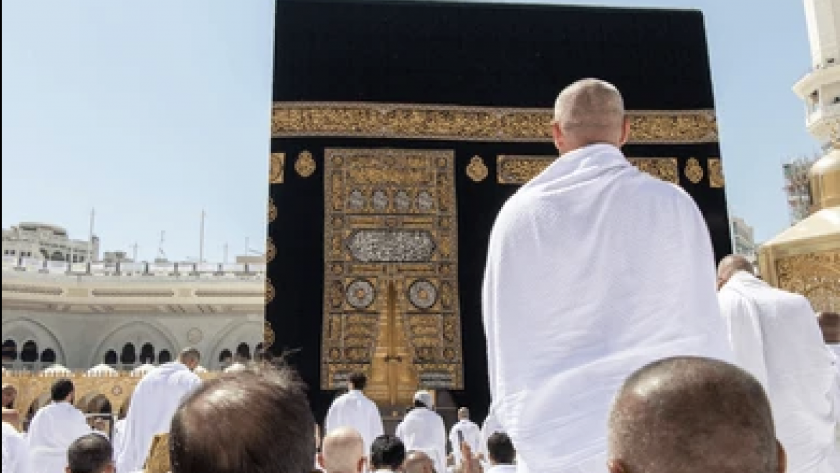
If you are preparing for your first Umrah, chances are you are feeling two strong emotions at the same time. Deep excitement and quiet anxiety. Almost every first-timer from the UK and US describes this exact mix. The heart feels ready. The mind keeps asking questions.
Many people search for first umrah tips late at night because they want reassurance that they are not missing something important. Others look for a reliable first time umrah guide because they want clarity, not sales language. What most first-time pilgrims really want is simple: honest umrah advice from people who understand both the spiritual weight of the journey and the practical realities on the ground.
At Zamzam, more than seventy percent of the pilgrims we support are first-timers. Teachers from Manchester. Families from Birmingham. Professionals from London. Nurses from New York. Young couples from Chicago and Houston. Their questions are often the same. This article answers those questions clearly, based on real conversations and real experiences.
We will also be transparent about responsibilities. You book your own international flights. You apply for your own visa. From the moment you land in Saudi Arabia, we take responsibility for your ground experience. That distinction matters for confidence.
How Do I Book Flights for Umrah?
This is usually the first practical concern. For UK and US pilgrims, flights are booked independently. Whether you are departing from London Heathrow, Manchester, Birmingham, New York JFK, Chicago O’Hare or Houston, you choose your dates and airline based on your schedule and budget. This flexibility is important. School holidays in the UK and work leave patterns in the US vary significantly, and having control over your departure date allows you to plan comfortably.
Many first umrah tips online make this part seem complicated. In reality, it is straightforward. You compare airlines, check baggage allowances, and select arrival into Jeddah if you are heading to Makkah first, or Madinah if you prefer a calmer start before entering Ihram.
One teacher from Manchester told us she delayed booking her flights for weeks because she feared “doing it wrong.” Once she understood that booking flights independently was normal and expected, she felt immediate relief. Good umrah advice should reduce stress, not create it. Flights are your responsibility. And that is a good thing. You control your schedule.
What About the Visa Process?
Another common concern in any first time umrah guide is the visa. For UK and US passport holders, the application is usually completed online through the official Visit Saudi portal. It is a digital process and generally straightforward. You upload required documents, pay the fee, and receive confirmation electronically. We do not process visas, and we are always clear about that. Clear boundaries build trust. When reading the first umrah tips, you should be able to identify exactly who handles what. You manage your visa application. You retain control. Once approved, your focus shifts to preparation rather than paperwork. Yet even after the paperwork is complete, many pilgrims notice that their concerns shift rather than disappear. The focus moves from approval emails to real-world logistics, and that is where structured support becomes essential. At this stage, reliable umrah advice becomes more about physical readiness and emotional preparation.
How Do I Choose the Right Hotel Near the Haram?
This is one of the most important decisions for first-time pilgrims and one of the areas where generic first umrah tips often lack depth.
Not all “five-minute walk” claims are equal. Distance measurements can be misleading. Three hundred meters in a quiet street is very different from three hundred meters through heavy pedestrian flow, ramps, or crowded entry points.
A nurse from New York shared that she underestimated the importance of hotel proximity during her first Umrah. By the second day, the repeated long walks between the hotel and the Haram left her exhausted. She told us that if she could give one piece of umrah advice to first-timers, it would be to prioritise genuine proximity over price differences. In any serious first time umrah guide, proximity must be discussed realistically. Umrah is physically demanding. Tawaf requires continuous walking. Sa’i between Safa and Marwah covers a significant distance. Late-night prayers and early mornings compound fatigue.
At Zamzam, we physically verify hotel proximity, walking routes, and accessibility. We look at elevator reliability and family suitability. We focus on reducing unnecessary exhaustion because we understand that preserving energy supports better worship. When people search for first umrah tips, they often expect packing lists. What they truly need is thoughtful hotel selection.
How Exhausting Is Umrah Really?
Honest umrah advice should address this directly. Umrah can be physically demanding, especially during peak seasons. The courtyards of Masjid al-Haram are expansive. Most of the time crowds are constant. Standing for long periods during prayer can strain the body if you are not accustomed to it.
A family from Birmingham told us they did not anticipate how much walking they would do in just one day. But by the third day, they had learned to pace themselves. They began spacing out rituals and returning to their hotel for short rest periods.
A responsible first time umrah guide does not romanticise exhaustion. It should prepare you for actual challenges you might face instead of just describing comforts and spirituality. It prepares you for it. Comfortable footwear, hydration, light meals, and realistic expectations are part of solid first umrah tips.
This is also where hotel proximity becomes practical, not luxurious. When your hotel is actually near the Haram, you can return easily to rest without feeling discouraged.
What If I Get Lost in the Haram?
This is one of the most common fears among first-timers, especially those travelling with family. Masjid al-Haram is vast. Multiple levels, entry points, and prayer areas can disorient even confident travellers. Good umrah advice includes setting clear meeting points with your family and agreeing on visible landmarks.
However, anxiety often comes from imagining being alone in a crowd without support. Our On-Journey Companion app provides navigation guidance and structured ritual support, which reduces confusion significantly. When first-time pilgrims use it, they report feeling calmer because they are not relying solely on memory.
Beyond technology, on-ground support matters. From the moment you land, we coordinate your transfers and hotel arrangements so you are not handling logistical stress while adjusting to a new environment. This is what journey confidence on the ground looks like in practice.
What If I Make a Mistake During a Ritual?
Many people searching for first umrah tips are quietly worried about invalidating their Umrah. Here is grounded umrah advice. Learn the rituals properly before you go. Understand Ihram conditions. Study Tawaf steps. Familiarise yourself with Sa’i. Watch reliable scholars explain the sequence.
But also understand that intention is central. First-timers sometimes expect perfection from themselves. That expectation can create unnecessary anxiety. A young couple from Chicago told us that during their first Tawaf, they kept second-guessing every step. By the third circuit, they realised they were overthinking. Preparation matters. But overanalysis reduces presence.
A balanced first time umrah guide prepares you without overwhelming you. Structured guidance through our Companion app supports pilgrims step-by-step, helping them focus rather than panic.
Will I Feel Out of Place as a UK or US Muslim?
This concern is more common than people admit. Western Muslims sometimes worry about cultural differences or feeling disconnected. In reality, Masjid al-Haram is one of the most diverse places in the world. Pilgrims come from every continent, every background, every language group.
A teacher from London told us she expected to feel like an outsider. Instead, she felt a powerful sense of unity. Diversity disappears when everyone is performing the same rituals. One of the most reassuring pieces of umrah advice we give is this: you will not feel out of place. You will feel part of something much larger than nationality. Any complete first time umrah guide should address emotional concerns as seriously as logistical ones.
Do I Need to Speak Arabic?
Short answer: no. Basic phrases are helpful, but even these are not required. As muslims from all over the world visit so the hotel staff, transport providers, and service teams in Makkah and Madinah are accustomed to international pilgrims.
You will see clear signage and structured guidance reduce confusion significantly. Your first umrah tips should focus on preparation, not fear of language barriers. Pilgrims from Manchester and New York alike consistently report that language was far less of a barrier than they anticipated.
What If I Get Separated From My Family?
Crowds are dense, especially during peak seasons. Practical umrah advice includes agreeing on clear meeting locations and ensuring phones remain charged. However, structured coordination reduces panic. Pre-arranged transfers, verified hotels, and accessible support channels ensure that if something unexpected happens, you are not alone navigating unfamiliar systems.
Exception handling is not about dramatic scenarios. It is about having clear communication pathways and accountability.
What Should I Pack?
This is one of the most searched first umrah tips topics, and for good reason. Packing feels like something you can control when everything else feels new. Many first-timers overpack out of fear of being unprepared, but experienced pilgrims almost always say the same thing afterwards: they wish they had brought less.
Start with the essentials. If you are a man, bring at least two sets of Ihram garments so you have a spare. Choose breathable cotton and make sure you practice wearing it before you travel so you are comfortable managing it. Women should pack loose, modest clothing that is lightweight and easy to layer. Even though the weather in Makkah can be hot during the day, indoor areas and some prayer spaces can feel cool due to air conditioning, so a light cardigan or shawl is useful.
Comfortable walking shoes are not optional. They are one of the most important first umrah tips you will hear. You will walk more than you expect, both inside and around the Haram. Choose footwear you have already worn in, not something new. Blisters can turn a spiritually uplifting experience into a physically uncomfortable one very quickly.
Unscented toiletries are essential, particularly during Ihram. Check labels carefully. Many people accidentally pack fragranced soap or wipes and only realise later. A small, simple toiletry bag is sufficient. You do not need your entire bathroom cabinet.
Personal medication should be packed in your hand luggage, along with copies of prescriptions if needed. Basic pain relief, rehydration sachets, and blister plasters are practical additions. Good umrah advice always includes preparing for minor physical discomforts without assuming the worst.
A small backpack for the Haram is useful for carrying water, a prayer mat if you prefer one, a small Qur’an or dua book, and your phone charger or power bank. Keep it light. You will carry it for hours at a time. The more you add, the heavier it feels in crowded spaces.
Power adapters for Saudi sockets are often forgotten but important. A compact travel adapter and a short extension cable can make hotel charging easier, especially if multiple family members are sharing a room.
Avoid overpacking clothes “just in case.” Laundry services are widely available in both Makkah and Madinah. Excess luggage becomes a burden in lifts, buses, and crowded hotel lobbies. Practical umrah advice consistently emphasises mobility and simplicity over variety.
A realistic first time umrah guide should simplify decisions, not complicate them. Pack what supports worship and comfort. Leave behind what adds weight and distraction. The lighter your suitcase, the easier it is to move calmly through your journey.
What If I Feel Emotionally Overwhelmed?
The first sight of the Kaaba affects people differently. Some cry immediately. Others feel stillness. Some feel overwhelmed hours later.
There is no correct emotional response. A nurse from New York told us she expected instant tears but instead felt calm focus. Later that evening, during quiet du’a, emotion surfaced unexpectedly. Good umrah advice acknowledges emotional variability. Your experience will be personal. It does not need comparison.
Understanding Responsibility Clearly
One reason first-time anxiety grows is confusion about who handles what. You book your flights. You apply for your visa. From the moment you land, we coordinate your airport transfers, verified hotel accommodation, ground transport, and structured support in Makkah and Madinah. This separation of responsibility creates stability. You retain flexibility where it makes sense. We ensure your ground arrangements function properly. Confidence grows from clarity.
Final Thoughts for First-Timers
If you have been reading first umrah tips repeatedly, you are not overthinking. You are taking your worship seriously. If you are searching for structured umrah advice, it means you want to approach this journey responsibly. If you are looking for a comprehensive first time umrah guide, you are trying to reduce uncertainty before stepping into a sacred space.
That sincerity is a strength.
Thousands of UK and US first-time pilgrims have trusted Zamzam for their on-ground journey. They chose their flights independently. They handled their visa applications directly. And when they landed, they knew their hotel proximity was verified, their transfers arranged, and support accessible.
If you are preparing for your first Umrah and want clarity about the on-ground experience, speak to our team. We have heard every question before. We answer them honestly.
Preparation reduces anxiety. Structure builds confidence. And when logistics are handled properly, your focus can remain where it belongs.
