

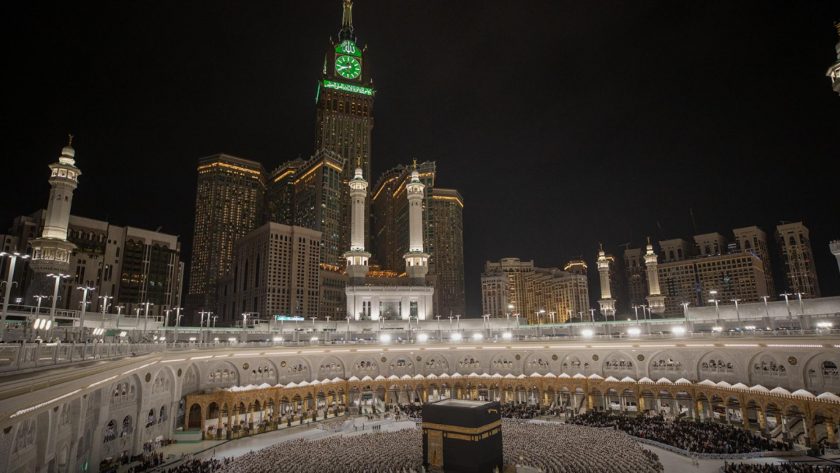
Every year, as Ramadan approaches, a familiar question quietly enters many Muslim homes. Should we go for Umrah in Ramadan this year? Is this the moment we finally answer that call? And most importantly, is it truly right for our family?
The idea of Ramadan Umrah holds a special place in the Muslim heart. It feels heavier with meaning, richer with reward, and closer to the essence of worship. For many families, the thought of travelling through carefully chosen ramadan umrah packages brings both excitement and hesitation. The heart imagines fasting in the Haram, breaking iftar near the Kaaba, and standing in long Taraweeh prayers surrounded by believers from every corner of the world.
At the same time, Ramadan Umrah is not a simple or light journey. It is intense. It demands patience, physical strength, and careful planning. What looks spiritually beautiful from a distance can feel overwhelming on the ground if expectations are not aligned with reality.
This guide is written for families who want clarity rather than pressure. It is not here to convince you to go or to hold you back. It is here to help you decide honestly, with both heart and mind present.
Why Umrah in Ramadan feels spiritually unmatched
There is a reason interest in ramadan umrah packages continues to grow every year. Ramadan already carries unmatched spiritual weight. Performing Umrah during this sacred month amplifies that atmosphere in ways that are difficult to describe unless you have experienced it yourself.
Fasting in Makkah feels different. Hunger carries intention rather than discomfort. Thirst feels purposeful. Each moment of restraint feels connected to worship. When you break your fast in or near the Haram, surrounded by people who feel like family despite being strangers, gratitude flows naturally.
Taraweeh prayers at the Kaaba are often described as life changing. The Qur’an echoes through the night. The rows stretch endlessly. You see people cry quietly in sujood, others standing with hands raised in silent du‘a. For many pilgrims, these nights remain among the most spiritually powerful moments of their lives.
There is also the widely known encouragement that Umrah in Ramadan carries a reward equivalent to Hajj. While scholars clarify that this does not replace the obligation of Hajj, the spiritual motivation is undeniable. This belief alone leads many families to seriously consider umrah in Ramadan, even when they know it will be demanding.
However, reward should never be separated from reality.
The reality families must be prepared for
What is often understated is how physically and logistically challenging Ramadan Umrah truly is. The crowds alone change everything. During Ramadan, especially in the evenings and final nights, crowd levels can reach three to four times higher than in other months. Tawaf becomes slower, movement requires patience, and quiet personal space is rare.
Fasting adds another layer of difficulty. Walking long distances in heat without food or water drains energy quickly. Even healthy adults are surprised by how exhausted they feel after several days of fasting, praying, and limited sleep.
Accommodation costs rise sharply during Ramadan, especially for hotels near the Haram. Families staying farther away often underestimate how exhausting repeated long walks can be, particularly after Taraweeh. This is why choosing the right ramadan umrah packages is not about luxury but about sustainability.
Ramadan Umrah is spiritually rich, but it is not gentle. For families, acknowledging this truth is essential.
Who Ramadan Umrah is best suited for
There are families and individuals for whom Ramadan Umrah can be deeply fulfilling rather than overwhelming.
Young couples often find this journey meaningful. With fewer physical constraints and more flexibility, they are better able to adapt to late nights, fasting, and crowded conditions. Sharing the spiritual intensity together often strengthens both faith and emotional connection.
Experienced pilgrims also tend to manage Ramadan Umrah 2026 more comfortably. Those who have already performed Umrah understand the layout of the Haram, the flow of tawaf, and the importance of pacing themselves. They know when to push and when to rest, which makes umrah in Ramadan more sustainable.
Families with older children who are accustomed to fasting and long prayers may also find Ramadan Umrah rewarding, provided expectations are realistic and support is in place.
For these groups, well planned ramadan umrah packages that prioritise proximity and transport support can transform the experience from exhausting to deeply meaningful.
Who should reconsider or plan very carefully
For many families, Umrah in Ramadan requires deeper reflection before committing.
Families with young children often face the greatest challenges. Children struggle with disrupted sleep schedules, long periods of walking, and dense crowds. Parents may find themselves torn between worship and caregiving, leading to frustration rather than peace.
Elderly family members or those with health conditions need special consideration. Fasting combined with physical exertion, heat, and crowd pressure can quickly become unsafe without medical guidance and very careful planning.
First time pilgrims should also pause before choosing Ramadan. If your intention is to learn, explore the rituals calmly, and move at a gentle pace, Ramadan may not offer the space you expect. The Haram operates at full intensity, leaving little room for orientation or slow adjustment.
This does not mean Ramadan Umrah is wrong for these groups. It simply means the decision regarding ramadan umrah packages should be guided by honesty, not pressure or comparison.
Daily practical realities during Ramadan Umrah
For families considering ramadan umrah packages, daily logistics play a central role in shaping the experience.
Iftar arrangements are a daily consideration. While food is generously distributed in the Haram, navigating crowds at iftar time with children or elderly relatives can be stressful. Many families prefer hotel iftar options nearby to reduce physical strain.
Suhoor timing also affects rest. Late night Taraweeh prayers followed by early suhoor leave limited time for sleep. Without intentional rest planning, exhaustion builds quickly and affects both mood and worship.
Rest between prayers becomes essential. This is where hotel proximity becomes critical. A short walk back to the hotel allows families to rest, hydrate, and reset between prayers. This small detail often determines whether umrah in ramadan feels manageable or overwhelming.
Managing hunger and thirst requires pacing. Not every prayer must be performed in the Haram. Giving yourself permission to rest is not a loss of reward. It is an act of care.
First twenty days or last ten nights
One important decision when planning Ramadan umrah 2026 is timing. The first twenty days of Ramadan, while busy, are generally more manageable. Crowds are heavy but movement remains possible. Families often find this period allows for a balance between worship and rest.
The last ten nights carry unmatched spiritual intensity, especially with the pursuit of Laylatul Qadr. However, they also bring peak crowds, longer nights, and greater physical strain. For families or first time pilgrims, this period can feel overwhelming rather than uplifting.
Some families choose a middle path. Arriving earlier in Ramadan, experiencing the atmosphere of the Haram, and departing before the final surge. For Ramadan umrah 2026, this approach is increasingly popular among families seeking balance.
Why hotel proximity matters more in Ramadan than any other time
During Ramadan, hotel location is not simply a matter of comfort or convenience. It becomes a form of protection for both the body and the heart. Fasting already places natural limits on energy, and when long walks are added multiple times a day, exhaustion can quickly take over, even for those who are otherwise healthy.
Walking extended distances while fasting drains strength rapidly. The impact becomes especially clear after Taraweeh, when nights run long and the body is already depleted. Returning late and then leaving again early for Fajr becomes unsustainable if accommodation is far from the Haram. Over several days, this physical strain begins to affect focus, patience, and emotional balance.
This is why ramadan umrah packages should always be evaluated based on verified walking distance rather than advertised proximity. A hotel that appears close on a map may still involve steep routes, crowds, or indirect paths that are far more demanding than expected, particularly for families, elderly pilgrims, or those fasting for the first time.
Zamzam prioritises hotels within 200 to 500 metres of the Haram specifically for Ramadan journeys. These distances are carefully verified and chosen with fasting pilgrims in mind. Being able to return quickly between prayers allows families to rest, hydrate, and reset without unnecessary physical stress. This short recovery time often makes the difference between worship feeling sustainable or overwhelming.
When rest is accessible, worship becomes intentional rather than forced. Energy can be directed toward prayer and reflection instead of survival. In Ramadan, this balance is not a luxury. It is essential for preserving the spirit of the journey.
Ground transport shaped around Ramadan rhythms
Ramadan changes daily rhythms entirely, and this shift is felt most strongly on the ground. Iftar timing becomes the anchor of the day. Taraweeh stretches late into the night. Sleep happens in shorter, irregular windows. Movement that might feel simple in other months becomes far more demanding when combined with fasting and crowds.
For many families, transport becomes one of the quietest yet most stressful parts of the journey. The thought of being stuck in traffic close to iftar, walking long distances while fasting, or trying to find reliable transport late at night after Taraweeh can weigh heavily on the mind. These worries often surface at the very moments meant for reflection and worship.
Zamzam’s ground transport is planned around these Ramadan realities rather than generic schedules. Transfers are aligned with fasting hours so pilgrims are not rushed or left waiting during iftar time. Late night returns after Taraweeh are factored in, recognising that energy levels are lowest when worship has been longest. Families are supported with clear timing and coordination, rather than being left to navigate unfamiliar routes while exhausted.
This level of planning may seem small on the surface, but it has a powerful impact. When transport feels predictable and considerate, mental load reduces. When mental load reduces, the heart remains present. For pilgrims choosing umrah in ramadan, this kind of thoughtful ground support removes quiet stress that would otherwise pull attention away from worship and toward worry.
Making the decision with clarity and compassion
Ramadan Umrah is not universally right or wrong. It is a deeply personal decision that looks different for every family, every stage of life, and every level of physical and emotional capacity. What brings peace and fulfilment to one household may feel overwhelming to another, and both experiences are valid.
For some families, Ramadan Umrah 2026 becomes the most spiritually powerful journey of their lives. The intensity of worship, the atmosphere of the Haram, and the shared experience of fasting and prayer create memories that remain etched in the heart long after the journey ends. For others, the same intensity can feel physically draining and emotionally heavy, especially when exhaustion begins to outweigh presence.
This is why the most important question is not how much reward is promised, but how present your heart can remain throughout the journey. Worship flourishes in presence, not pressure. A journey that leaves you constantly anxious, rushed, or physically depleted may limit the very connection you are seeking.
When logistics are handled carefully, when expectations are realistic, and when dependable support is available on the ground, ramadan umrah packages shift from being a source of stress to a source of stability. In that space, families are better able to worship with sincerity, patience, and calm. Clarity allows compassion to guide the decision, ensuring that the Umrah you choose supports your heart rather than burdens it.
A gentle closing reflection for families
If you are considering ramadan umrah packages, pause and ask what your family truly needs in this season of life. Sometimes the most meaningful Umrah is not the most intense one, but the one that allows space for sincerity, rest, and connection.
Zamzam supports families by prioritising verified close proximity hotels, reliable ground transport, and planning that respects the realities of Ramadan. Our ramadan umrah packages are designed so fasting pilgrims are not overwhelmed by unnecessary physical strain.
Whether you choose the early days, the last nights, or decide that another time is better for your family, the right Umrah is the one that meets you where you are.
May your decision be guided by clarity rather than pressure, and may your journey in ramadan umrah 2026 be filled with presence, wherever and whenever it unfolds.
